
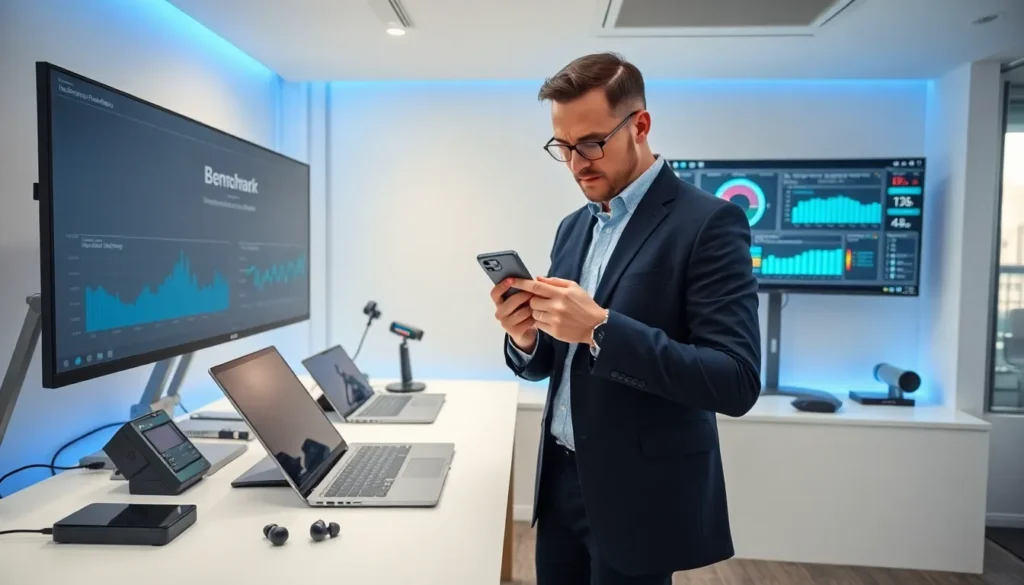

Gadget reviews tools help tech enthusiasts evaluate devices with precision and consistency. Whether someone tests smartphones, laptops, or smart home devices, the right equipment makes a significant difference in review quality. These tools transform subjective opinions into data-backed assessments that readers trust.
The market for consumer electronics continues to grow. In 2024, global consumer electronics revenue exceeded $1 trillion. With thousands of new products launching each year, reviewers need reliable methods to compare performance, build quality, and value. Gadget reviews tools provide that foundation.
This guide covers the essential tools every tech reviewer should consider. It explains why these tools matter, explores different categories of testing equipment, and offers practical advice for selecting and using them effectively.
Table of Contents
ToggleKey Takeaways
- Gadget reviews tools transform subjective opinions into data-backed assessments that build reader trust and credibility.
- Essential hardware testing equipment includes colorimeters, lux meters, thermal cameras, power meters, and audio analyzers for measuring real-world performance.
- Software benchmarks like Cinebench, Geekbench, and 3DMark provide standardized scores for direct device comparisons.
- Choose gadget reviews tools based on your niche, budget, and experience level—start affordable and upgrade as needed.
- Document your testing methodology, calibrate tools regularly, and run multiple tests to ensure accurate, repeatable results.
- Balance quantitative data from testing tools with qualitative observations to deliver comprehensive, actionable reviews.
Why Gadget Review Tools Matter
Gadget reviews tools serve several critical purposes. They establish credibility, ensure consistency, and provide readers with actionable information.
Building Trust Through Data
Consumers rely on reviews before making purchase decisions. A review that includes specific measurements, like battery drain rates or display brightness levels, carries more weight than vague descriptions. Gadget reviews tools supply this hard data.
For example, saying a phone “has great battery life” means little. Saying it “lasted 14 hours and 23 minutes in our standardized video playback test” tells readers exactly what to expect. That precision builds reader confidence.
Ensuring Consistency Across Reviews
Without standardized tools and methods, comparing two products becomes difficult. If a reviewer tests one laptop in a cool room and another in a warm environment, thermal performance results won’t match fairly.
Gadget reviews tools create a controlled baseline. They let reviewers compare a new device against dozens of previously tested products using identical conditions. This consistency helps readers understand where a device ranks in its category.
Saving Time and Effort
Professional-grade gadget reviews tools automate many testing processes. Automated benchmark suites can run overnight, producing detailed reports by morning. Color calibration tools measure display accuracy in seconds rather than hours. These time savings let reviewers focus on analysis and writing instead of manual measurements.
Top Types of Gadget Review Tools
Gadget reviews tools fall into two main categories: physical testing equipment and software applications. Most serious reviewers use both.
Hardware Testing Equipment
Physical tools measure real-world performance characteristics that software alone cannot capture.
Colorimeters and Spectrophotometers
These devices measure display color accuracy. Products like the X-Rite i1Display Pro or Calibrite ColorChecker Display analyze screens for color temperature, gamma curves, and color gamut coverage. A display might look fine to the naked eye but show significant color shifts under measurement.
Lux Meters
Lux meters measure brightness output. They help reviewers determine peak brightness, minimum brightness, and brightness uniformity across a screen. This matters especially for HDR content and outdoor visibility testing.
Thermal Imaging Cameras
Devices like the FLIR ONE series attach to smartphones and reveal heat distribution during stress tests. They show exactly where a laptop or phone runs hottest under load. This information helps readers understand potential comfort and longevity issues.
Power Meters and USB Testers
These gadget reviews tools measure actual power consumption and charging speeds. Products like the ChargerLAB Power-Z series track voltage, amperage, and wattage during charging. They verify manufacturer claims about fast charging capabilities.
Audio Analyzers
For headphone and speaker reviews, audio analyzers measure frequency response, distortion levels, and noise floors. Equipment ranges from affordable USB microphones with analysis software to professional-grade Audio Precision systems.
Software and Benchmarking Applications
Software tools complement hardware by testing processing power, storage speed, and overall system performance.
CPU and GPU Benchmarks
Applications like Cinebench, Geekbench, and 3DMark stress processors and graphics chips. They produce standardized scores that allow direct comparisons between devices. These benchmarks reveal performance differences that real-world use might take weeks to notice.
Storage Testing Software
CrystalDiskMark, AS SSD, and similar tools measure read and write speeds for drives. They test sequential transfers and random access patterns. Fast storage significantly impacts system responsiveness.
Battery Rundown Tests
Scripts that automate web browsing, video playback, or specific workloads drain batteries under controlled conditions. These gadget reviews tools produce comparable battery life figures across different devices.
Display Analysis Software
Programs like DisplayCAL work with colorimeters to produce detailed display profiles. They measure and report dozens of metrics including contrast ratio, black levels, and color accuracy scores.
How to Choose the Right Review Tools
Selecting gadget reviews tools depends on budget, focus area, and experience level.
Start With Your Niche
A smartphone reviewer needs different tools than a PC hardware tester. Someone focusing on audio equipment should invest in quality microphones and analyzers before buying thermal cameras. Identify the measurements that matter most for the products being reviewed.
Consider Budget Constraints
Professional gadget reviews tools can cost thousands of dollars. But, entry-level options exist for nearly every category. A $200 colorimeter provides accurate results for display testing. Free benchmarking software handles basic performance comparisons.
Start with affordable options and upgrade as review quality demands increase.
Evaluate Learning Curves
Some tools require significant expertise to use correctly. Audio analyzers need proper calibration and understanding of acoustics. Thermal cameras require knowledge of emissivity settings. Factor in time to learn each tool properly.
Check Community Resources
Popular gadget reviews tools have active user communities. Forums, YouTube tutorials, and documentation help new users get started. Tools with strong community support make troubleshooting easier.
Best Practices for Using Gadget Review Tools
Owning good gadget reviews tools matters less than using them correctly. Follow these practices for reliable results.
Document Your Methodology
Write down exactly how each test runs. Note ambient temperature, display settings, software versions, and any other variables. This documentation ensures repeatable results and helps explain discrepancies.
Calibrate Regularly
Hardware tools drift over time. Colorimeters need recalibration. Power meters benefit from verification against known loads. Schedule regular calibration to maintain accuracy.
Run Multiple Tests
Single measurements can include errors or anomalies. Run each benchmark at least three times and report average results. This approach filters out random variations.
Update Software Tools
Benchmarking applications receive updates that improve accuracy and add support for new hardware. Keep gadget reviews tools current to ensure valid comparisons with other reviewers using the same software.
Explain Results to Readers
Raw numbers mean little without context. A Geekbench score of 1,200 tells readers nothing if they don’t know typical ranges. Include comparisons to familiar devices or explain what scores mean for real-world use.
Combine Quantitative and Qualitative Assessment
Gadget reviews tools provide data, but they don’t capture everything. A keyboard might have excellent switch response times but feel cheap. A display might measure accurately but appear washed out in typical lighting. Balance measurements with subjective observations.


