
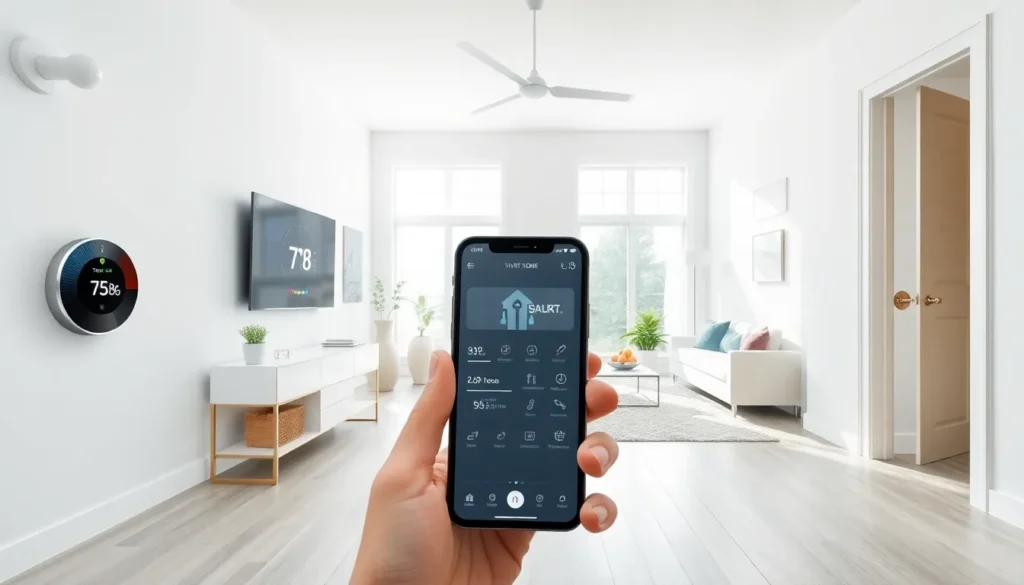

Smart home tech vs traditional home systems, it’s a debate homeowners face more often now than ever before. The global smart home market reached $121 billion in 2024, yet millions of households still rely on conventional setups. Both approaches have clear strengths and weaknesses. This guide breaks down the key differences between smart home tech vs traditional systems, covering convenience, cost, security, and energy efficiency. By the end, readers will have a clearer picture of which option fits their lifestyle and budget.
Table of Contents
ToggleKey Takeaways
- Smart home tech vs traditional systems comes down to connectivity and control—smart devices communicate with each other while traditional systems operate independently.
- Smart home technology offers superior convenience through automation, voice control, and accessibility features for those with mobility challenges.
- Traditional systems have lower upfront costs ($20-$80 vs $100-$350 for smart alternatives), but smart devices can reduce energy bills by 10-15% annually.
- Smart security provides real-time remote monitoring and instant alerts, while traditional wired systems avoid internet-based hacking vulnerabilities.
- Energy efficiency favors smart home tech, with the Department of Energy estimating 10-30% reductions in household energy consumption when used properly.
- Homeowners should weigh their budget, privacy concerns, and tech comfort level when choosing between smart home tech vs traditional setups.
What Is Smart Home Technology?
Smart home technology refers to devices and systems that connect to the internet and allow remote control through apps, voice commands, or automation. These devices include smart thermostats, connected lighting, security cameras, voice assistants, and smart locks.
The core appeal of smart home tech vs older systems lies in connectivity. A smart thermostat learns household patterns and adjusts temperatures automatically. Smart lights turn on when someone enters a room. Security cameras send alerts directly to a smartphone.
Traditional home systems, by contrast, operate independently. A standard thermostat requires manual adjustment. Conventional locks need physical keys. These systems work reliably but lack the interconnected features that smart devices offer.
Smart home technology also relies on hubs or ecosystems. Popular platforms include Amazon Alexa, Google Home, and Apple HomeKit. These platforms let users control multiple devices from a single app or voice command.
The difference between smart home tech vs traditional setups comes down to control and integration. Smart systems talk to each other. Traditional systems don’t.
Comparing Smart Homes and Traditional Systems
Convenience and Automation
Convenience is the biggest selling point for smart home tech vs traditional alternatives. Smart devices automate daily tasks. A morning routine might include the coffee maker starting at 6:30 AM, lights gradually brightening, and the thermostat warming the house, all without lifting a finger.
Traditional systems require manual input for each action. Homeowners must flip switches, turn dials, and physically interact with every device. This isn’t necessarily bad. Some people prefer the simplicity of traditional controls.
Voice control adds another layer of convenience. Saying “turn off all lights” beats walking through the house to check each room. For people with mobility challenges, smart home tech vs traditional systems isn’t even close, smart devices offer genuine accessibility improvements.
But, convenience comes with a learning curve. Setting up automations takes time. Apps need regular updates. And if the Wi-Fi goes down, some smart features become temporarily unavailable.
Cost Considerations
Cost is where the smart home tech vs traditional debate gets interesting. Upfront, smart devices cost more. A basic smart thermostat runs $100-$250, while a standard programmable thermostat costs $20-$50.
Smart locks range from $150-$350. Traditional deadbolts cost $30-$80. Smart lighting systems can quickly add up to hundreds of dollars, whereas conventional bulbs and fixtures remain budget-friendly.
But the long-term picture shifts. Smart thermostats can reduce heating and cooling costs by 10-15% annually, according to Energy Star. Smart power strips eliminate phantom energy drain. Over five to ten years, these savings can offset initial investments.
Traditional systems have lower upfront costs and minimal maintenance expenses. They don’t require app subscriptions or occasional firmware updates. For budget-conscious homeowners, traditional setups remain practical and cost-effective.
The smart home tech vs traditional cost comparison depends on the homeowner’s timeline and priorities.
Security and Privacy Concerns
Security presents a double-edged sword in the smart home tech vs traditional systems discussion. Smart security cameras, video doorbells, and connected alarms offer real-time monitoring from anywhere. Homeowners receive instant alerts about suspicious activity. They can check live feeds, lock doors remotely, and even communicate with visitors through doorbell cameras.
Traditional security systems still work well. Wired alarm systems remain difficult to hack because they don’t connect to the internet. Standard deadbolts can’t be compromised through software vulnerabilities.
The privacy question matters here. Smart devices collect data. Voice assistants listen for wake words. Security cameras store footage on cloud servers. Some homeowners feel uncomfortable with this data collection, even when companies promise encryption and secure storage.
Hackers have targeted smart home devices in the past. Weak passwords and outdated firmware create vulnerabilities. In 2023, researchers found security flaws in several popular smart home brands.
For maximum security with smart home tech vs traditional approaches, homeowners should use strong passwords, enable two-factor authentication, and keep devices updated. Traditional systems avoid these digital risks entirely but lack the remote monitoring features many people now expect.
Energy Efficiency and Sustainability
Energy efficiency gives smart home tech vs traditional systems a clear winner in most cases. Smart thermostats optimize heating and cooling based on occupancy patterns. They reduce energy waste by adjusting temperatures when nobody’s home.
Smart lighting systems use LED bulbs and automatic scheduling. Motion sensors turn lights off in empty rooms. Some systems adjust brightness based on natural light levels throughout the day.
Traditional systems can be efficient too, but they require more effort. Homeowners must remember to adjust thermostats, turn off lights, and unplug devices. Human forgetfulness leads to wasted energy.
Smart power monitoring shows exactly which devices consume the most electricity. This visibility helps homeowners identify energy hogs and make informed decisions. Traditional setups don’t provide this level of insight.
For environmentally conscious households, smart home tech vs traditional options often favor smart devices. The Department of Energy estimates that smart home technology can reduce household energy consumption by 10-30% when used properly.
That said, smart devices themselves require energy to operate. Hubs, routers, and always-on connections add small but constant power draws. The net benefit still favors smart systems for most households, but the efficiency gains aren’t unlimited.


