
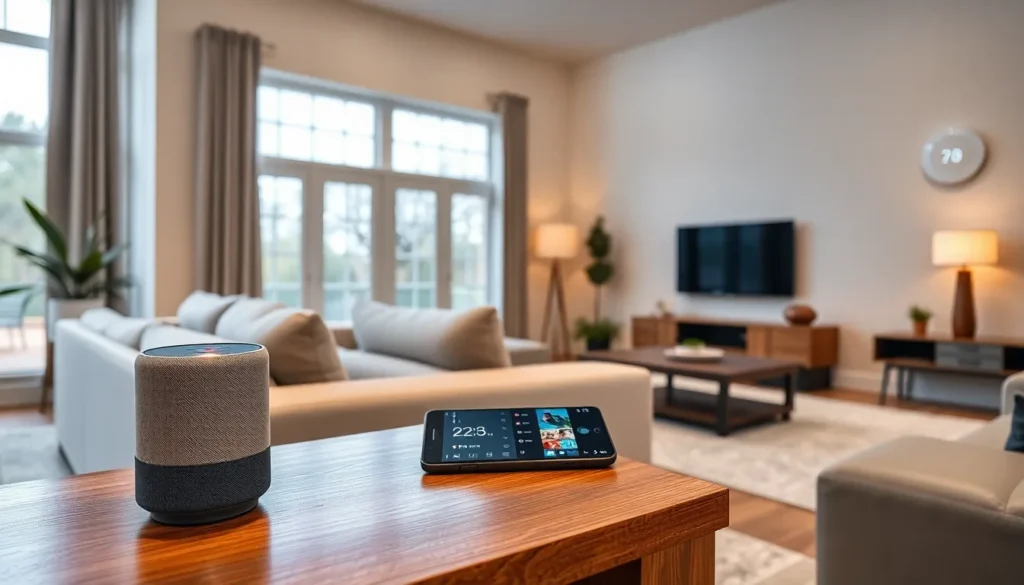

Smart home tech tools have changed how people interact with their living spaces. These devices connect everyday appliances to the internet and allow users to control them remotely. A homeowner can adjust the thermostat, dim the lights, or lock the front door, all from a smartphone or with a simple voice command.
The market for smart home technology continues to grow rapidly. According to industry reports, millions of households now use at least one smart device. This shift reflects a broader desire for convenience, energy efficiency, and security. But with so many options available, choosing the right smart home tech tools can feel overwhelming. This guide breaks down the essentials, from must-have devices to tips for building a connected home that actually works.
Table of Contents
ToggleKey Takeaways
- Smart home tech tools connect everyday appliances to the internet, enabling remote control, automation, and energy savings.
- Smart speakers and voice assistants serve as the command center for most smart homes, integrating with hundreds of third-party devices.
- Smart thermostats can reduce energy bills by 10-15% annually by learning household routines and adjusting climate automatically.
- Choose one ecosystem (Amazon Alexa, Google Home, or Apple HomeKit) and build around it to avoid compatibility issues.
- Start small with one or two devices, prioritize Wi-Fi stability and security, and expand your smart home gradually.
- The Matter protocol improves cross-platform compatibility, making it easier to mix devices from different brands.
What Makes a Home Smart
A smart home uses internet-connected devices to automate and control various household functions. These smart home tech tools communicate with each other through Wi-Fi, Bluetooth, or specialized protocols like Zigbee and Z-Wave. The result? A home that responds to commands, learns user preferences, and operates more efficiently.
Three core elements define a smart home:
- Connectivity: Every smart device connects to a central hub or directly to a home network. This connection enables remote access and automation.
- Control: Users manage their smart home tech tools through apps, voice commands, or automated schedules. Control can happen from anywhere with an internet connection.
- Intelligence: Many devices use artificial intelligence to learn patterns. A smart thermostat, for example, might notice when residents leave for work and adjust the temperature accordingly.
The “smart” label doesn’t just mean remote control. True smart home tech tools anticipate needs and make decisions based on data. They save time, reduce energy bills, and add layers of security that traditional homes simply can’t match.
Must-Have Smart Home Devices
Building a connected home starts with selecting the right devices. Some smart home tech tools serve as foundational pieces, while others add convenience or entertainment value.
Smart Speakers and Voice Assistants
Smart speakers act as the command center for most smart homes. Devices like Amazon Echo, Google Nest, and Apple HomePod respond to voice commands and control other connected gadgets. Users can ask their assistant to play music, set timers, check the weather, or control lights, all hands-free.
Voice assistants also serve as hubs for other smart home tech tools. They integrate with hundreds of third-party devices, making it easy to build an interconnected system. For households new to smart technology, a smart speaker offers an affordable entry point with immediate utility.
Smart Lighting and Climate Control
Smart lighting systems like Philips Hue and LIFX let users control brightness, color, and scheduling from their phones. Motion sensors can trigger lights automatically, and voice commands eliminate the need for wall switches. Some systems even sync with movies or music for immersive entertainment experiences.
Climate control represents another category of essential smart home tech tools. Smart thermostats from brands like Nest, Ecobee, and Honeywell learn household routines and adjust heating and cooling accordingly. Studies show that smart thermostats can reduce energy bills by 10-15% annually. They also provide remote access, so users can warm up the house before arriving home on a cold day.
Smart plugs deserve mention here too. These simple devices turn ordinary appliances into smart ones. Plug in a lamp or coffee maker, and suddenly it responds to voice commands and scheduled automation.
How to Choose the Right Smart Home Ecosystem
Compatibility matters more than individual device quality. Smart home tech tools work best within a unified ecosystem. The three major platforms, Amazon Alexa, Google Home, and Apple HomeKit, each offer distinct advantages.
Amazon Alexa leads in device compatibility. Thousands of products work with Alexa, making it the most flexible option. It also offers competitive pricing across its Echo device lineup.
Google Home excels at search integration and natural language processing. Google Assistant understands context better than most competitors, making conversations feel more natural.
Apple HomeKit prioritizes privacy and security. It requires stricter certification for compatible devices, which limits options but ensures higher quality standards. HomeKit works seamlessly with iPhones, iPads, and Macs.
Before purchasing smart home tech tools, consider which ecosystem fits existing devices and habits. Mixing platforms creates friction, devices may not communicate properly, and managing multiple apps becomes frustrating. Pick one ecosystem and build around it.
The Matter protocol, launched in 2022, promises better cross-platform compatibility. Devices certified with Matter work across all major ecosystems. As adoption grows, this standard will simplify smart home setup for everyone.
Tips for Getting Started With Smart Home Technology
Starting a smart home doesn’t require a massive investment or technical expertise. A few practical strategies help beginners avoid common mistakes.
Start small. Purchase one or two smart home tech tools first. A smart speaker or smart plug provides immediate value without overwhelming complexity. Expand gradually as comfort with the technology grows.
Prioritize security. Every connected device represents a potential entry point for hackers. Use strong, unique passwords for smart home accounts. Enable two-factor authentication when available. Keep device firmware updated to patch security vulnerabilities.
Check your Wi-Fi. Smart home tech tools rely on stable internet connections. Older routers may struggle with multiple connected devices. Consider upgrading to a mesh Wi-Fi system for consistent coverage throughout the home.
Read reviews before buying. Not all smart devices deliver on their promises. Research user experiences, especially about reliability and app quality. A cheap smart plug that disconnects constantly costs more in frustration than it saves in money.
Plan for the future. Think about what automations would genuinely improve daily life. Security cameras? Automated blinds? A smart doorbell? Map out priorities before shopping, and purchases will feel purposeful rather than impulsive.
Smart home tech tools should simplify life, not complicate it. Taking a measured approach leads to a system that actually gets used.


