
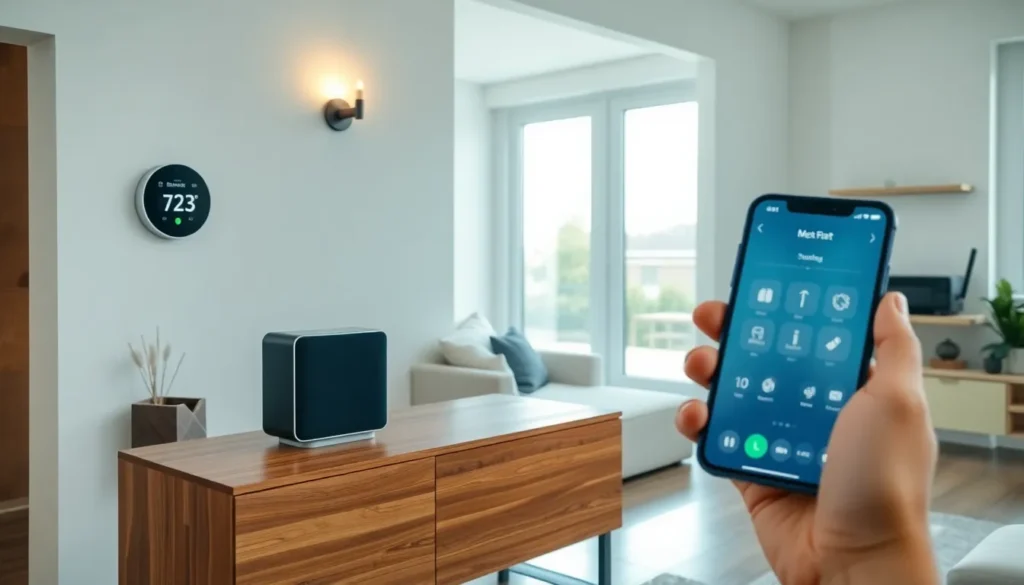

This smart home tech guide covers the devices, systems, and strategies homeowners need to automate their living spaces in 2025. Smart home technology has moved beyond novelty status. Today, millions of households rely on connected devices to control lighting, security, climate, and entertainment with voice commands or smartphone taps. But getting started, or expanding an existing setup, requires some planning. This guide breaks down the essentials: what smart home technology actually means, which devices deliver real value, and how to build a system that works together without headaches.
Table of Contents
ToggleKey Takeaways
- Smart home tech automates lighting, climate, security, and entertainment through connected devices controlled by voice or smartphone.
- Choose one primary ecosystem (Alexa, Google Home, or Apple HomeKit) to avoid compatibility issues across your smart home setup.
- Prioritize Matter-compatible devices for cross-platform flexibility and future-proof investments in your smart home tech.
- Smart thermostats can reduce heating and cooling costs by 10-15%, making them one of the highest-value smart home upgrades.
- Start with high-impact devices like smart speakers, thermostats, and video doorbells before adding novelty gadgets.
- Use automation routines to unlock the full potential of smart home technology by making devices work together seamlessly.
What Is Smart Home Technology?
Smart home technology refers to devices and systems that connect to the internet and communicate with each other to automate household tasks. These products let users control appliances, lighting, thermostats, locks, cameras, and more, either remotely through apps or locally through voice commands.
The core idea is simple: replace manual controls with automated or remote ones. A traditional thermostat requires someone to walk over and adjust it. A smart thermostat learns household patterns and adjusts temperatures automatically. It can also respond to voice commands or geofencing signals when residents leave or arrive home.
Smart home tech relies on wireless protocols to function. Wi-Fi remains the most common connection method. But, protocols like Zigbee, Z-Wave, Thread, and Matter have gained traction because they consume less power and handle more devices without overwhelming home networks. Matter, in particular, has become a major player in 2025. This universal standard allows devices from different manufacturers to work together seamlessly.
The benefits extend beyond convenience. Smart home systems can reduce energy bills by optimizing heating, cooling, and lighting schedules. They can improve home security through motion sensors, smart locks, and video doorbells. And they offer accessibility advantages for elderly residents or those with mobility challenges.
Essential Smart Home Devices to Consider
Building a smart home starts with choosing the right devices. Not every gadget deserves a spot in your setup. Some products deliver genuine utility. Others collect dust after the novelty wears off. Here are the categories that matter most.
Smart Speakers and Voice Assistants
A smart speaker serves as the command center for most smart homes. Amazon Echo devices with Alexa, Google Nest speakers with Google Assistant, and Apple HomePod with Siri represent the three major ecosystems. Each platform has strengths.
Alexa offers the widest device compatibility and the largest library of third-party integrations. Google Assistant excels at answering questions and integrating with Google services like Calendar and Maps. Siri provides the tightest integration for households already invested in Apple products.
Voice assistants do more than play music. They control other smart devices, set timers, make calls, and provide weather updates. Many users find that once they install a smart speaker, they start adding compatible devices throughout the house.
Smart Lighting and Climate Control
Smart bulbs and switches rank among the most popular smart home upgrades. Brands like Philips Hue, LIFX, and Nanoleaf offer bulbs that change colors, dim on schedule, and respond to voice commands. Smart switches from Lutron and C by GE can control existing fixtures without replacing every bulb.
The practical benefits are real. Lights can turn on automatically at sunset or when motion is detected. They can simulate occupancy while homeowners travel. And dimming lights in the evening can support better sleep habits.
Smart thermostats represent another high-value category. Products like the Google Nest Learning Thermostat, Ecobee Smart Thermostat, and Amazon Smart Thermostat learn household schedules and adjust temperatures accordingly. Many utility companies offer rebates for smart thermostat installation because these devices genuinely reduce energy consumption. Studies suggest savings of 10-15% on heating and cooling costs.
How to Build a Connected Smart Home Ecosystem
Adding smart devices randomly leads to frustration. A thoughtful approach creates a system where everything works together.
First, choose a primary ecosystem. Mixing Amazon Alexa, Google Home, and Apple HomeKit devices creates compatibility headaches. Pick the platform that matches existing devices and preferences. Stick with it for core functions.
Second, prioritize Matter-compatible devices when possible. Matter certification means a product will work across major platforms. This flexibility protects investments if preferences change later.
Third, consider network infrastructure. A dozen smart devices can strain a basic router. Mesh Wi-Fi systems from brands like Eero, Google Nest WiFi, or Netgear Orbi provide better coverage and handle more simultaneous connections. Some smart home enthusiasts set up dedicated IoT networks to keep smart devices separate from computers and phones.
Fourth, start with high-impact devices. A smart thermostat saves money. A video doorbell improves security. A smart speaker enables voice control throughout the house. These purchases justify themselves quickly. Novelty items like smart pet feeders or connected coffee makers can wait.
Finally, use automation routines. The real power of smart home tech emerges when devices work together automatically. A “Good Night” routine might lock doors, turn off lights, lower the thermostat, and arm the security system, all from a single voice command or scheduled trigger.
Common Challenges and How to Overcome Them
Smart home technology isn’t perfect. Users encounter obstacles that require practical solutions.
Connectivity issues frustrate many smart home owners. Devices drop offline, respond slowly, or fail to execute commands. Solutions include upgrading router hardware, placing Wi-Fi access points strategically, and choosing devices that use local processing rather than cloud-dependent systems.
Compatibility problems arise when devices from different brands refuse to cooperate. Checking compatibility before purchase prevents most issues. The Matter standard has reduced these problems significantly, but older devices may not support it.
Privacy concerns deserve attention. Smart speakers listen for wake words constantly. Security cameras stream footage to cloud servers. Users should review privacy settings, disable features they don’t need, and choose brands with strong security track records. Two-factor authentication should be enabled on all smart home accounts.
Setup complexity intimidates some users. Smart home tech has become more user-friendly, but configuring automation routines still requires patience. Starting simple helps. Master one device before adding another. YouTube tutorials and manufacturer support forums offer guidance for specific products.
Cost accumulation catches people off guard. Individual devices seem affordable, but a fully equipped smart home represents a significant investment. Prioritizing high-value devices and watching for sales keeps costs manageable.


